Imagine trying to navigate life with a mental health condition, and not knowing where to start. That’s where NDIS and mental health support comes in—providing a lifeline to Australians living with a psychosocial disability. In Sydney, more people are turning to the NDIS to get the help they need to live more independently, connect with others, and simply feel like themselves again.
But what exactly does NDIS do for mental health? And how can you make the most of it?
Let’s break it down.
Understanding NDIS and Mental Health Support
Mental health plays a major role in overall wellbeing, yet it’s often overlooked when we talk about disability support. The NDIS and mental health connection is built around something called psychosocial disability. This refers to disabilities that stem from mental health conditions like depression, anxiety, PTSD, bipolar disorder, and schizophrenia.
Not everyone with a mental illness will experience a psychosocial disability—but for those who do, the NDIS can be a game changer.
What is a Psychosocial Disability?
Psychosocial disability means the impact of a mental health condition makes it difficult to manage day-to-day tasks like working, socialising, or even cooking a meal. It’s not just about the diagnosis—it’s about how it affects your life.
And here’s the key: The NDIS recognises psychosocial disability as a valid and supported condition—and offers funding to help you manage it.
Types of NDIS Mental Health Supports
Whether it’s help around the house, assistance getting to appointments, or support with social connections, the NDIS provides a wide range of services for people with mental health-related disabilities.
Here are some of the most common supports you might be eligible for:
Capacity Building
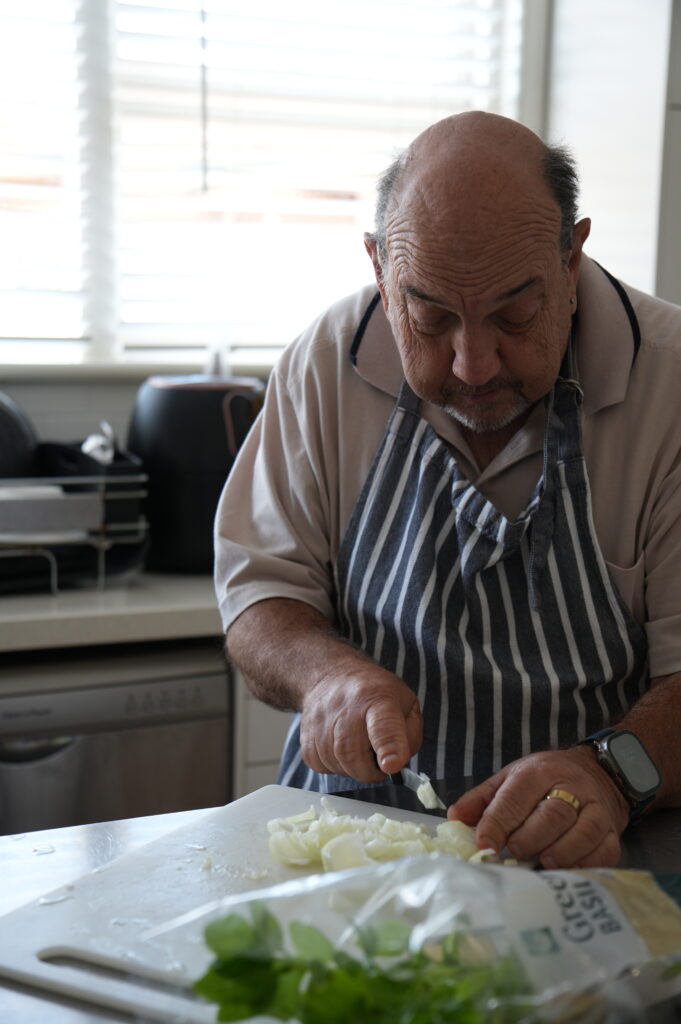
Support workers can help you build the skills to manage your life more independently—like budgeting, cooking, catching public transport, or job readiness training.
Community Participation
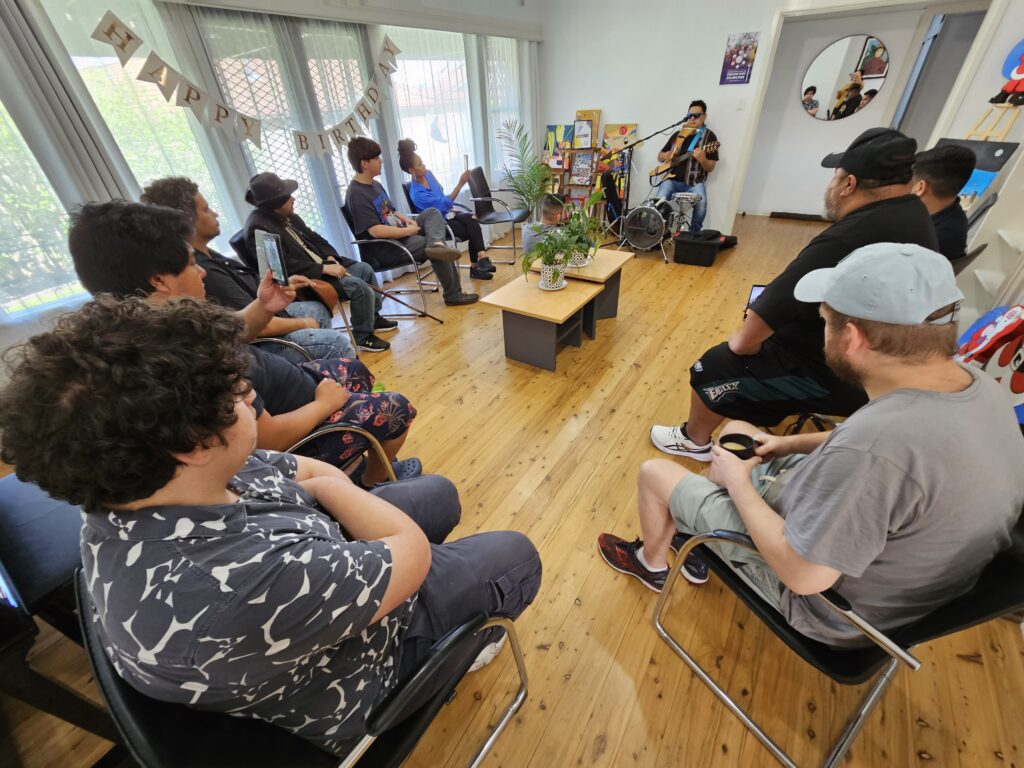
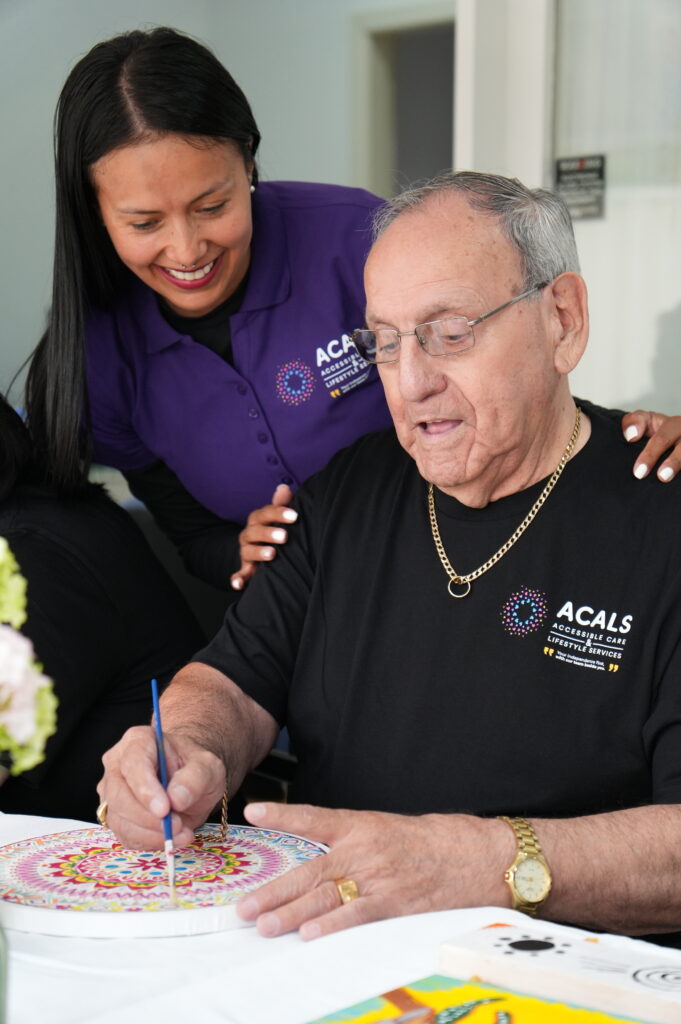
Feeling isolated? NDIS helps you get out there and feel part of your community again. Services may include peer support groups, volunteering programs, or day centre activities in Sydney that help you socialise and stay active.
In-Home and Personal Care
If your condition affects your ability to care for yourself, the NDIS may fund daily personal support—helping with hygiene, meals, or keeping your home in order.
Mental Health Recovery Coaching
This relatively new service provides tailored coaching to help you build confidence and resilience, set goals, and overcome everyday challenges.
How to Access Mental Health Support through NDIS
First time hearing about NDIS and not sure where to begin? You’re not alone. Many Sydney locals find the process confusing. But don’t worry—it’s simpler than it seems if you know what to look for.
Step 1 – Check Your Eligibility
The NDIS doesn’t cover all mental health conditions, but it does support people with permanent and significant psychosocial disabilities. The key is showing how your condition affects your ability to function.
You’ll need evidence from a GP, psychologist, or psychiatrist that supports this.
Step 2 – Apply and Plan
Once eligible, you’ll sit down with an NDIS planner or Local Area Coordinator (LAC) to build your plan. Be honest about what’s hard for you—this is where your supports are decided.
Step 3 – Choose the Right Provider
This part is crucial. A good NDIS provider will make sure you get the services that matter most to you. If you’re unsure where to start, here’s a helpful guide on how to choose NDIS providers in Sydney.
Or better yet, work with a trusted NDIS Provider in Sydney like ACALS who truly understands psychosocial support.
Why ACALS Is Different
Let’s be real—not all providers are created equal. At ACALS, we know how complex mental health can be. That’s why we:
- Offer tailored support plans based on your actual needs—not cookie-cutter templates
- Provide access to mental health-trained support workers
- Help you stay engaged with the community through our day centre activities in Sydney
- Walk with you every step of the way—from planning to ongoing support
We’re not just about ticking boxes. We’re about helping you feel seen, heard, and supported.
What Sets the NDIS Apart for Mental Health?
One of the biggest misconceptions is that the NDIS is just for physical disabilities. But that couldn’t be further from the truth.
In fact, NDIS and mental health go hand in hand—because mental illness affects every part of life. And the NDIS is designed to support people holistically.
Personalised Goals
Want to reconnect with family? Go back to school? Volunteer in your community? The NDIS helps you set personal goals and gives you the tools to reach them.
Long-Term Support
Unlike crisis services that focus on short-term fixes, NDIS support is long-term and stable. That’s key when you’re building consistency in your recovery.
Take the First Step Today
You don’t need to figure everything out on your own. Mental health challenges are real—but so is the support available.
Whether you’re just getting started or need help maximising your plan, ACALS is here for you.
Your recovery journey is yours—but we’re here to walk it with you.